
Personal Growth Tips for a Better You
Discover personal growth tips to enhance your life. Learn personal growth techniques for self-improvement today.
Continue your personal-growth plan:
- Start with the complete personal-growth system
- Review the foundations of personal growth
- Build habits that fit your real life Personal growth is a lifelong journey that involves improving your mind, skills, and overall well-being. It requires your commitment and effort, but implementing practical steps can make the process smoother and more enjoyable. In this blog post, we’ll explore various strategies to enhance your personal growth journey, offering actionable recommendations and insights to help you along the way.
Understanding Personal Growth
Personal growth is about becoming the best version of yourself. It involves setting and achieving goals, developing new skills, and nurturing relationships. Studies show that individuals who actively engage in their personal growth experience higher levels of happiness and life satisfaction. According to a survey by the American Psychological Association, 80% of participants reported that self-improvement practices positively impacted their emotional well-being.
Now, let’s delve into some effective strategies that can support your personal development journey.

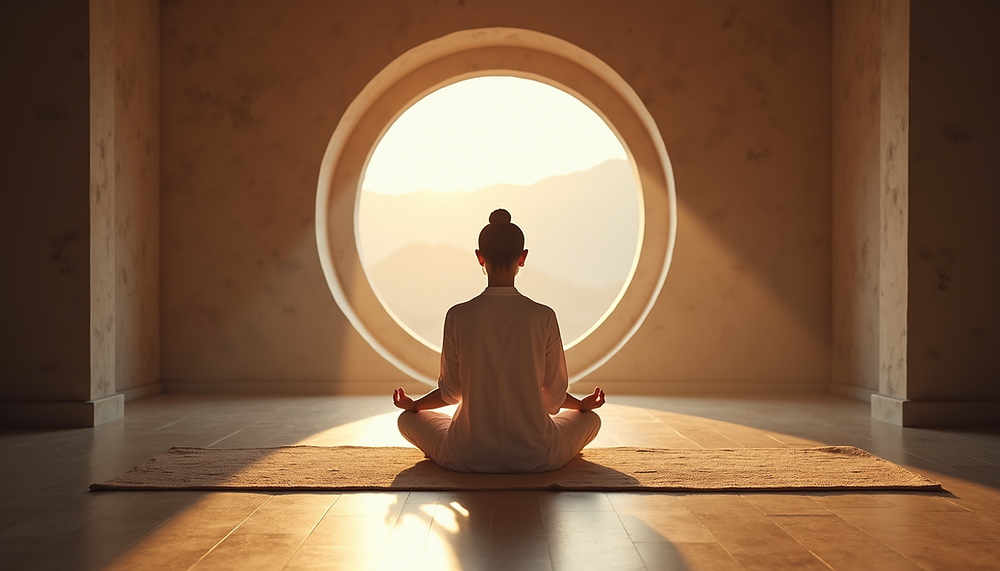
A peaceful meditation space can greatly enhance personal growth.
Setting Goals for Personal Growth
One of the first steps in your personal growth journey is setting clear and achievable goals. Goals give you direction and purpose. They not only help you focus your efforts but also boost your motivation.
SMART Goals
When setting goals, consider using the SMART criteria:
- Specific: Define your goal clearly. For example, instead of saying, “I want to read more,” specify, “I want to read one book per month.”
- Measurable: Ensure your goal can be measured. You can track progress and know when you achieve it.
- Achievable: Set realistic goals that challenge you, but are also attainable.
- Relevant: Ensure the goal aligns with your values and long-term objectives.
- Time-bound: Set a deadline to create a sense of urgency.
Research from the Dominican University of California found that people who write down their goals and share them with others are 42% more likely to achieve them.
Cultivating a Growth Mindset
A growth mindset is the belief that your abilities and intelligence can be developed through dedication and hard work. This mindset can significantly impact your personal growth journey.
Embracing Challenges
Instead of avoiding challenges, welcome them as opportunities for learning. When you encounter difficulties, reflect on what you can learn from the experience. For instance, if you face setbacks while trying to pursue a new hobby, view these as chances to improve your skills rather than obstacles.
Learning from Feedback
Seek feedback and be open to criticism. Constructive feedback helps you grow and develop new perspectives. Consider asking a trusted friend or a mentor for their input on your performance or ideas.
Statistics from Stanford University reveal that individuals with a growth mindset are more likely to take on challenging tasks and persist when faced with obstacles.

A budding plant symbolizes the potential for personal growth.
Practicing Self-Reflection
Self-reflection is crucial for personal growth. It allows you to gain insights into your thoughts, feelings, and actions. Regularly engaging in self-reflection helps you identify strengths and weaknesses, enabling you to make necessary adjustments to your personal growth strategies.
Keeping a Journal
Maintaining a journal can be a powerful tool for self-reflection. Spend a few minutes each day writing down your thoughts, experiences, and emotions. Reflect on what you’ve learned and set intentions for the following day. Research from the University of Exeter suggests that expressive writing can improve mental well-being by 20%.
Mindfulness Practices
Incorporating mindfulness practices, such as meditation and deep breathing exercises, can enhance your self-awareness. These practices reduce stress and help you stay present in the moment, making it easier to reflect on your personal growth journey.
Building Positive Habits
Creating positive habits is an important aspect of personal growth. Bad habits can hinder progress, while good habits can foster an environment of success.
Habit Stacking
One effective approach to building new habits is habit stacking. This involves pairing a new habit with an existing one. For example, if you want to start meditating, do it right after brushing your teeth each morning. This makes it easier to remember and incorporate the new habit into your routine.
The 21-Day Challenge
Research suggests that it takes 21 days to form a new habit. Commit to practicing a new habit consistently for three weeks. Whether it’s exercising or reading daily, stick to it, and you’ll likely find it easier to maintain even after the challenge is over.
Nurturing Relationships
Building supportive relationships is essential for personal growth. Surrounding yourself with positive influences can significantly impact your motivation and outlook on life.
Finding a Mentor
Having a mentor can provide invaluable guidance on your personal growth journey. Look for someone experienced in your area of interest. They can offer advice, share insights, and help you navigate challenges.
Networking
Networking is not just about professional connections; it’s also about forming meaningful relationships. Attend workshops or community events to meet new people. Engaging with like-minded individuals can inspire and motivate you on your path to personal development.

A stack of self-improvement books supports learning and growth.
Continuing Your Education
Never stop learning. Personal growth often involves acquiring new knowledge and skills. There are various ways you can pursue education throughout your life.
Online Courses
With the rise of online learning, taking courses in areas you wish to develop has never been easier. Platforms like Coursera, Udemy, and Khan Academy offer courses across numerous topics, from personal finance to creative writing.
Attending Workshops and Seminars
Look for workshops or seminars in your area that align with your interests. These events often provide hands-on experiences that can enhance your learning.
Many experts agree that continuous education not only builds skills but also enhances one’s confidence and adaptability.
Engaging in Community Service
Giving back to your community can also play a significant role in your personal growth journey. Helping others fosters feelings of connection and meaningfulness in life.
Volunteering
Consider volunteering for a cause that resonates with you. Whether it’s tutoring children, helping at a food bank, or participating in environmental initiatives, giving your time helps you gain new perspectives and skills.
Joining Groups
Join groups or organizations that focus on community service. Engaging with others who are passionate about the same cause can be incredibly rewarding and can help you build new relationships while contributing to your personal growth.
Embracing Vulnerability
Vulnerability is often viewed as a weakness, but it’s an essential component of personal growth. Being vulnerable allows you to connect with others, express your feelings, and confront challenges.
Sharing Your Journey
Don’t be afraid to share your personal growth journey with others. Whether that’s through blogging or social media, sharing your experiences can inspire others while helping you gain new insights.
Accepting Imperfection
Understand that nobody is perfect. Embrace your flaws and recognize them as part of your journey toward growth. Accepting imperfection frees you to take risks and learn from failures.
Incorporating these practical steps into your personal growth journey can lead to significant improvements in various aspects of your life. Remember that personal growth is a continuous journey, and every small step you take counts.
Final Thoughts
As you embark on your journey of personal growth, remember to implement these practical strategies. Focus on setting clear goals, cultivating a growth mindset, practicing self-reflection, and nurturing positive habits. Your journey may feel long, but with perseverance and dedication, the results can be transformative.
Find more on personal growth strategies to explore additional methods and insights that can elevate your personal development. Each small step contributes to your journey, and celebrating your progress will enhance your overall experience.
More on Discipline & Motivation

Is a Self-Improvement Course Worth It? A Practical Buying Guide
Before buying a course, coaching program, or habit app, check its real value, total cost, reviews, and refund terms with this practical consumer checklist.
Read article
How I Learned to Rest Without Feeling Guilty
Learn how I stopped treating exhaustion as discipline, recovered from workout injuries, and built intentional rest into a focused, productive life.
Read article
How to Get Back on Track After Losing Momentum
Falling off track does not erase your progress. Use this practical reset to stop the guilt cycle, rebuild consistency, and regain momentum one small action at a time.
Read article